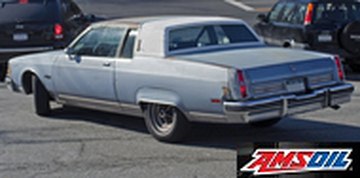
Lubrication Maintenance for the 1980 Oldsmobile 98 5.7L
Maintaining a large-displacement engine requires consistent attention to fluid integrity and component condition. For an owner of a 1980 Oldsmobile 98 equipped with the 5.7L engine, routine lubrication service is a fundamental aspect of long-term mechanical preservation. Because older engines operate under specific thermal and mechanical stresses, understanding how to monitor and manage engine oil is essential for preventing unnecessary wear.
Monitoring Fluid Condition and Consumption
One of the most effective ways to gauge the health of an engine is through regular observation of its lubricant. Rather than waiting for a scheduled service interval, owners can gain valuable insights by checking the oil level and appearance periodically. Changes in these factors often serve as early indicators that something requires investigation.
When inspecting the oil, look for changes in color or texture. While oil naturally darkens over time due to use, an extremely rapid change in appearance might warrant closer inspection. Furthermore, monitoring how much oil the engine consumes between service intervals is a practical way to track engine health. If you notice that the level on the dipstick is dropping more rapidly than expected, it may indicate that the engine is consuming lubricant, which can be associated with various internal conditions or aging seals.
It is also useful to observe any signs of external leakage. Inspecting the area around the engine for wetness or residue can help identify if gaskets or seals are beginning to seep. Identifying these small amounts of seepage early allows for more controlled maintenance decisions rather than reacting to a significant loss of fluid.
Practical Inspection Priorities for Aging Engines
As vehicles age, certain components naturally become more sensitive to environmental factors and usage. For the 1980 Oldsmobile 98, focusing on specific areas during routine service can help establish a clear picture of the vehicle's current mechanical state.
- Gaskets and Seals: Inspect accessible gaskets and seals for signs of age-related seepage. Even if a leak is not currently dripping, a "sweating" appearance on a seal often precedes more significant issues.
- Hoses and Connections: If present, examine engine hoses for signs of hardening, cracking, or bulging. Maintaining the integrity of the cooling and vacuum systems is vital for overall engine stability.
- Drive Belts: If equipped, inspect accessible drive belts for evidence of glazing, fraying, or surface cracking. A belt that shows significant wear can lead to issues with accessory operation if it fails.
- Electrical Integrity: Check that electrical connectors and wiring harnesses are secure and free from excessive corrosion or brittle insulation, which can affect sensor accuracy and engine performance.
By focusing on these areas, an owner moves away from guesswork and toward a condition-based maintenance strategy. This approach prioritizes addressing visible wear before it escalates into a mechanical failure.
Establishing a Maintenance Baseline
For many owners of classic or older vehicles, the complete service history may not always be readily available. In these instances, the first priority is to establish a baseline. This involves performing a thorough inspection and documenting the current state of all fluids and major components.
Once you have documented the initial condition—noting the color of the oil, the presence of any minor leaks, and the general condition of belts and hoses—you can accurately track changes over time. For example, if a small amount of seepage is noted during your first inspection, you can monitor that specific area to see if it progresses. This documentation turns routine maintenance into a data-driven process, making it much easier to distinguish between normal aging and an emerging problem.
Keeping a detailed log of every oil change, filter replacement, and observed repair is one of the most effective ways to manage long-term ownership. A well-documented history not only aids in your own maintenance decisions but also provides clarity regarding the consistency of care the engine has received over the years.
Interpreting Potential Warning Signs
While many mechanical issues develop slowly, some symptoms require more immediate attention. It is important to remember that a single symptom can be associated with multiple different causes, so an observation should be treated as a prompt for investigation rather than a definitive diagnosis.
An unusual noise coming from the engine area during operation may indicate that lubrication is not reaching certain components effectively or that a mechanical component is under stress. Similarly, if you notice changes in how the engine idles or performs shortly after a service, it is worth re-verifying that all components, such as the oil filler cap or dipstick, are properly seated and that no errors were made during the service process.
If an oil pressure warning light illuminates on the dashboard, this requires immediate investigation. Such indicators are designed to alert the driver to a potential lack of sufficient lubrication, which can lead to rapid engine damage if not addressed promptly. Always treat warning lights and significant changes in engine behavior as high-priority items for professional inspection.
Managing Long-Term Engine Health
Effective long-term maintenance is about distinguishing between preventive care and unnecessary replacement. Not every aging component needs to be replaced simply because of the vehicle's age; instead, decisions should be based on the actual condition of the part. If a belt is supple and free of cracks, it may continue to serve reliably, whereas a cracked belt requires attention regardless of its age.
Prioritize your maintenance tasks by addressing active leaks or significant consumption issues first. Once the primary concerns are stabilized, you can focus on more routine preventive measures, such as regular fluid changes and cleaning of engine components to allow for better visual inspections in the future. This tiered approach ensures that your resources are directed toward the most impactful maintenance activities.
Buying Engine Oil for the 1980 Oldsmobile 98 5.7L
When it is time to replenish the engine's lubricant, the most important step is to ensure the product matches the specific requirements of your application. To select the correct oil, match the engine oil to the application-specific viscosity information already displayed on this webpage.
Before making a purchase, always check the product labeling to verify that the oil meets current quality standards and certifications. Depending on your specific needs and the condition of your engine, you may encounter various formulations, including conventional oils, synthetic blends, or full synthetic options. Some high-mileage oil formulations also contain additives intended for use in aging engines, such as seal-conditioning agents. However, rather than choosing a type based on general assumptions about the vehicle's age, always refer back to the specific application data provided here to ensure compatibility with your 5.7L engine.